This will be the first time in many years that I will be cooking with an electric stove. I've had to give up my gas stove (propane) temporarily. It's going to be an interesting change. I have already found one of the problems with an electric stove is the length of time it takes to heat the burners and the amount of time it takes for them to cool. These are the coil burners, not the flat heating surface that newer style stoves have.
I used to be able to leave a pan on a burner after I've turned the gas off without any trouble, but after draining some pasta and pouring it back into the pan on the same burner that I had turned off, I discovered it stays hot longer and the pasta got stuck to the bottom of the pan because it was still cooking.
So, I will be learning to move the pans to a cool burner as I go. It will be interesting to see how the electric burners handle my cast iron griddle/grill and how the broiling and baking goes in the oven. I do have a toaster oven that I use regularly.
I don't have fancy equipment like the TV chefs, but I have a few things that are indispensable to me such as the Heavy Duty Kitchenaid mixer with the meat grinder attachment, my cast iron griddle, a pasta machine (hand crank style), and my "do it all" food processor. Other than that, I have the standard every day kitchen tools and utensils. My pots and pans are standard, no Calphalon or expensive Le Cruset. I've acquired a few gadgets over the years, and I'll probably put them to use in my cooking here and there with some pictures.
I believe I can get through most recipes with what I have, if I can't....then on to a different recipe. I won't go out and spend money just to have "the best" tools, or dish out dollars for something that will be used for only one recipe.. I like to use what is already available and adapt where necessary. I live to the words made famous by Clint Eastwood in his movie "Heartbreak Ridge" ..."Adapt, improvise, overcome!"
Let's look at some of the simpler equipment.
I had my family over for a holiday dinner last year and as we were getting all the goodies ready in the kitchen we happened on a discussion about lemon zesting. My mother stated she didn't know what that was, and doubted she had one at home. It made me wonder how many others were out there that didn't know what they were. What is a simple and often used tool in my kitchen, may not be so "known" in other kitchens. Here's a basic run down of what I use:
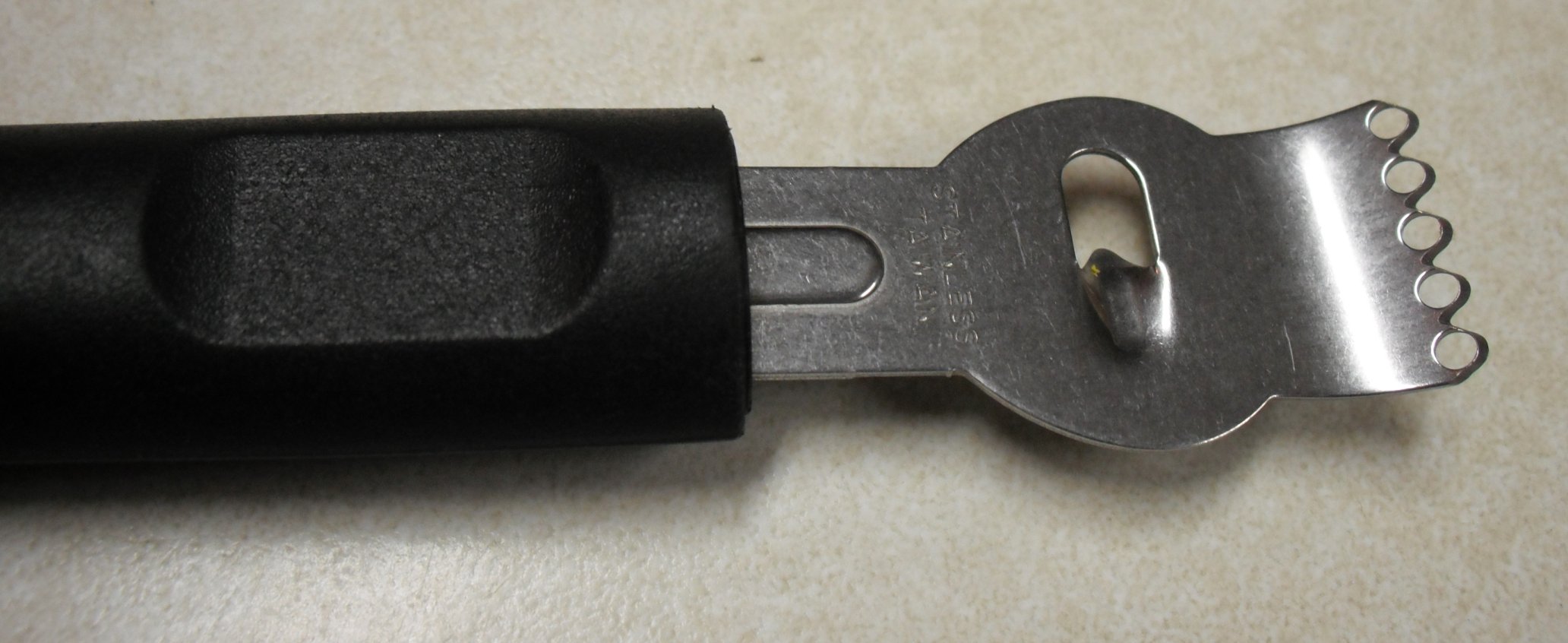
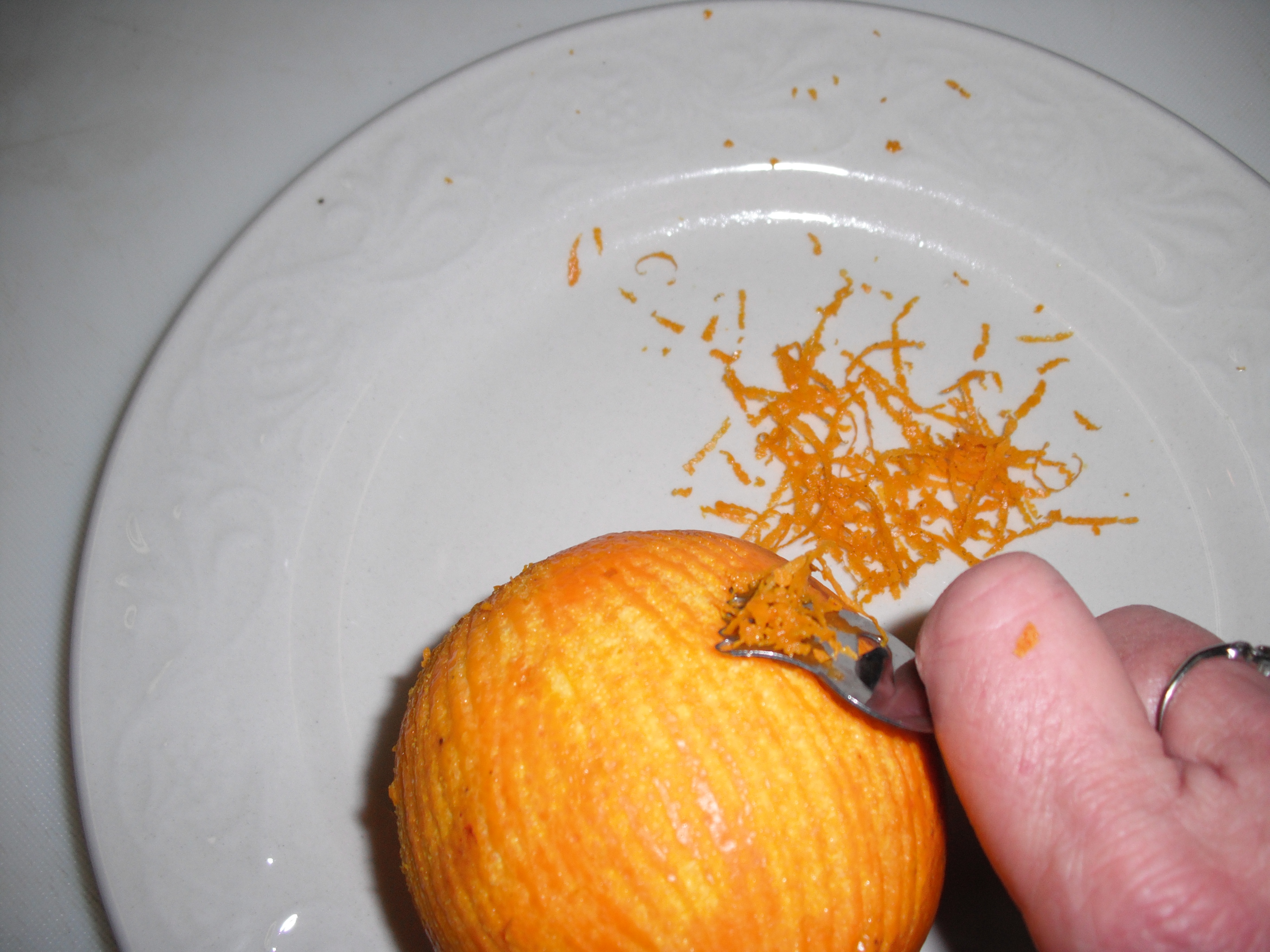
This zester gives a curly, short or longer zest
depending on how far you pull it down the fruit.
You have to be careful with it so you don't
pull too hard and get the white "pith" of the
fruit. That part is bitter. This style of zest
is great for topping salads or sprinkling
on things for a nice burst of flavor and
texture.
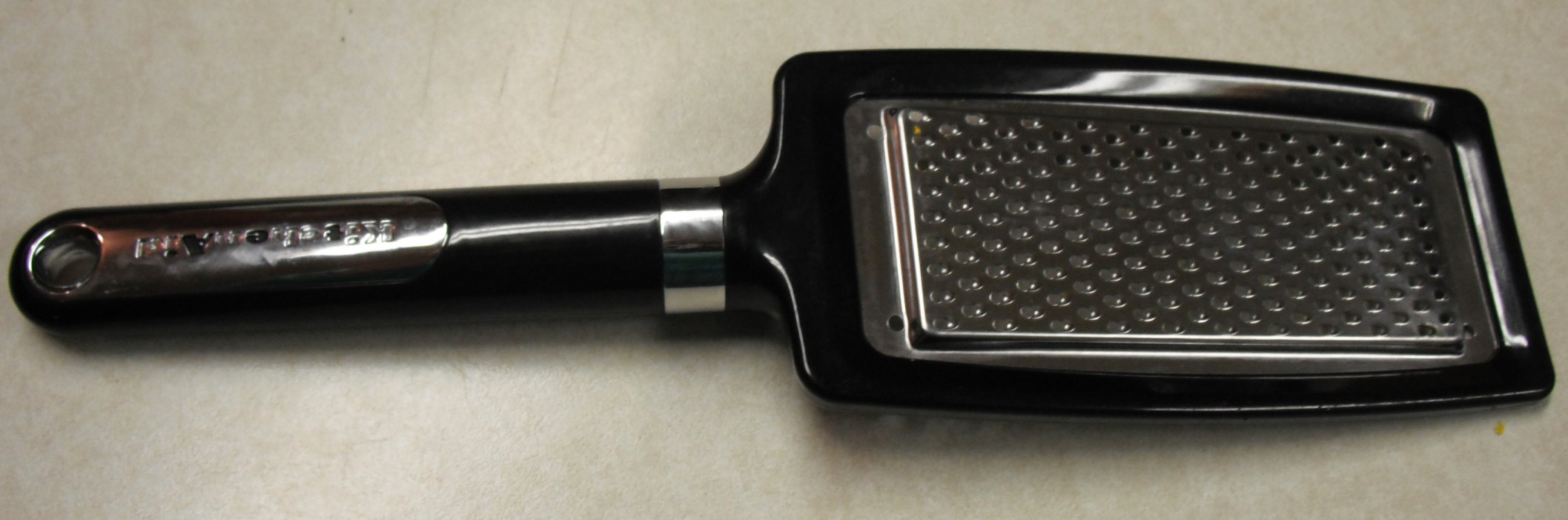
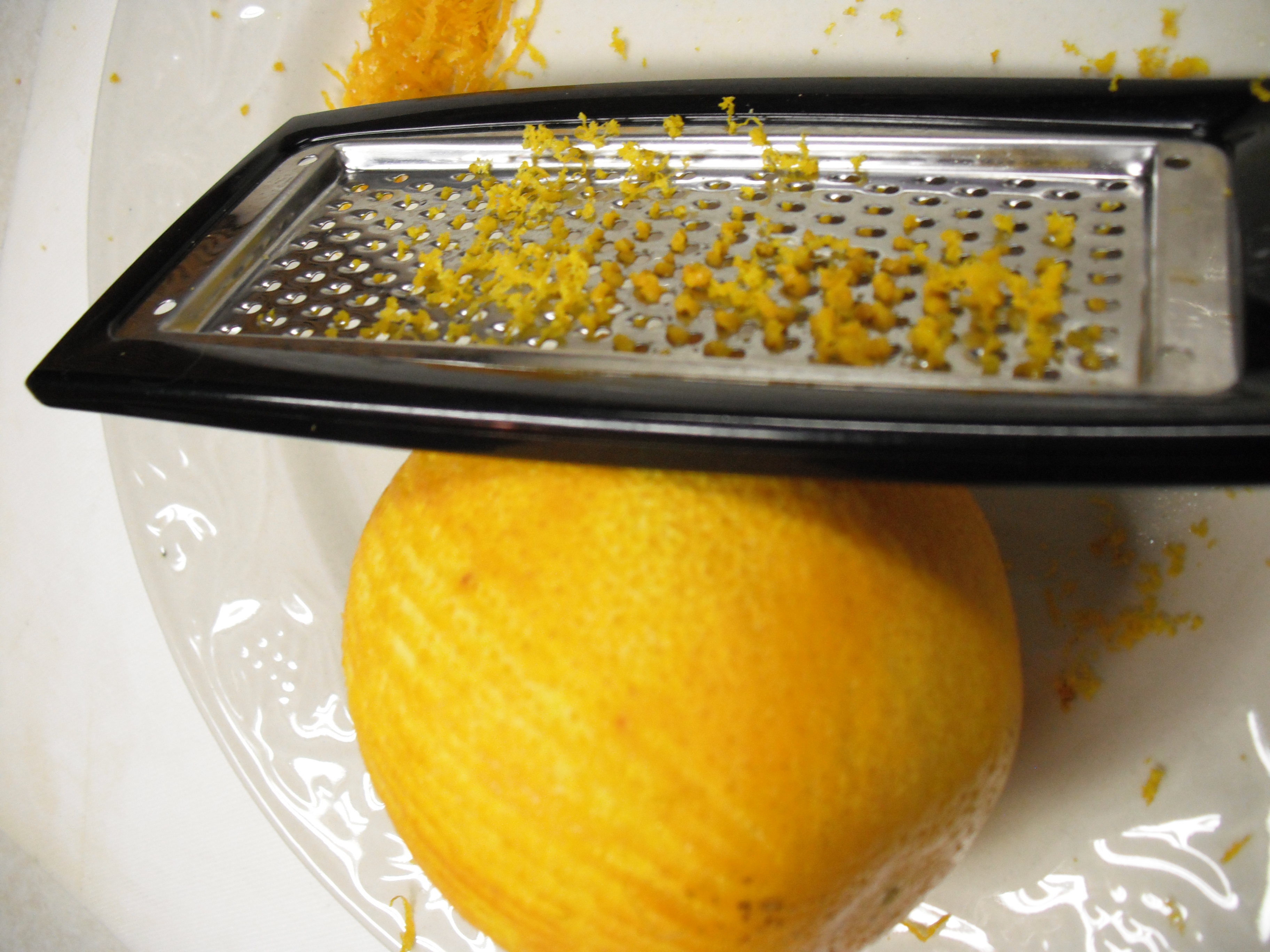
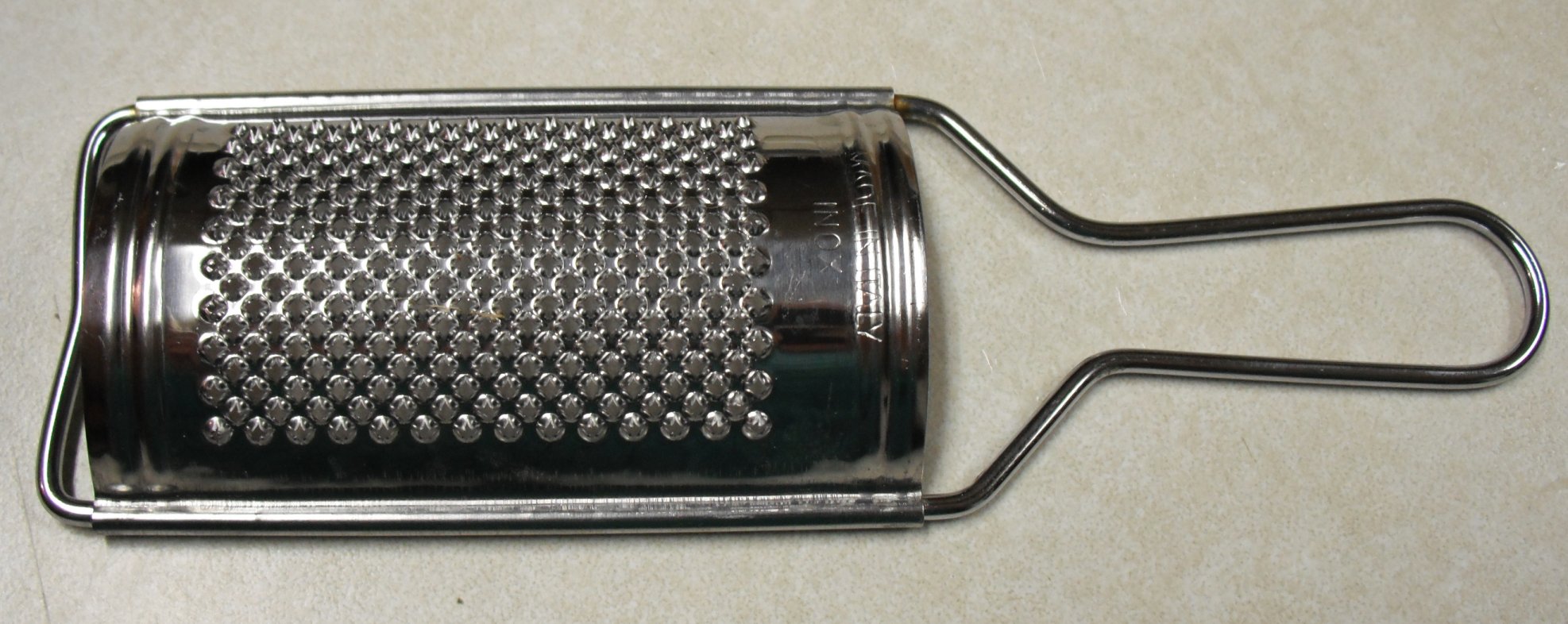
This tool grates and zests with fine little
pieces that are good for adding to sauces
or vinaigrettes. It takes just the very top layer
of the fruit without digging in. I've also used
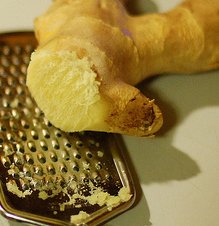
it for ginger roots.